

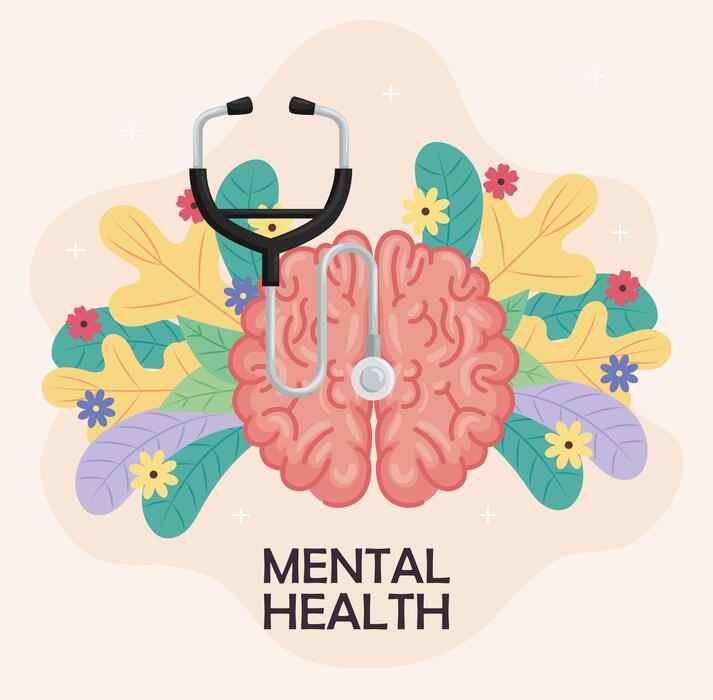
Mental Health Matters: Building a Balanced and Resilient Mind
Mental health is an essential component of overall well-being, yet it is often overlooked in comparison to physical health. In today’s fast-paced and highly demanding lifestyle, individuals frequently experience stress, anxiety, and emotional pressure that can significantly impact their mental stability. Ignoring mental health concerns can lead to serious consequences, affecting not only personal well-being but also relationships, productivity, and quality of life. UnitHealthcare emphasizes the importance of recognizing mental health as a priority and encourages individuals to take proactive steps toward maintaining emotional and psychological balance.
By understanding the importance of mental health and adopting supportive practices, individuals can improve resilience, enhance focus, and lead more fulfilling lives. Just like physical health, mental well-being requires regular attention, care, and awareness to ensure long-term stability and happiness.
Understanding Mental Health
Mental health refers to a person’s emotional, psychological, and social well-being, influencing how individuals think, feel, and behave in their daily lives. It also determines how people handle stress, relate to others, and make decisions. Good mental health is not simply the absence of mental illness but the presence of positive characteristics such as emotional balance, clarity of thought, and the ability to cope with life’s challenges effectively.
Various factors, including genetics, environment, lifestyle, and life experiences, contribute to mental health conditions. Understanding these factors helps individuals identify potential risks and take preventive measures before issues escalate into more serious conditions.
Common Mental Health Challenges
Many individuals experience mental health challenges such as stress, anxiety, depression, and burnout at different stages of life. Work pressure, academic demands, social expectations, and personal struggles can contribute to these conditions. While occasional stress is a normal part of life, prolonged or unmanaged stress can negatively affect both mental and physical health.
Recognizing early signs such as persistent sadness, lack of motivation, difficulty concentrating, sleep disturbances, or emotional instability is crucial. Early awareness allows individuals to seek support and take corrective measures before the condition worsens.
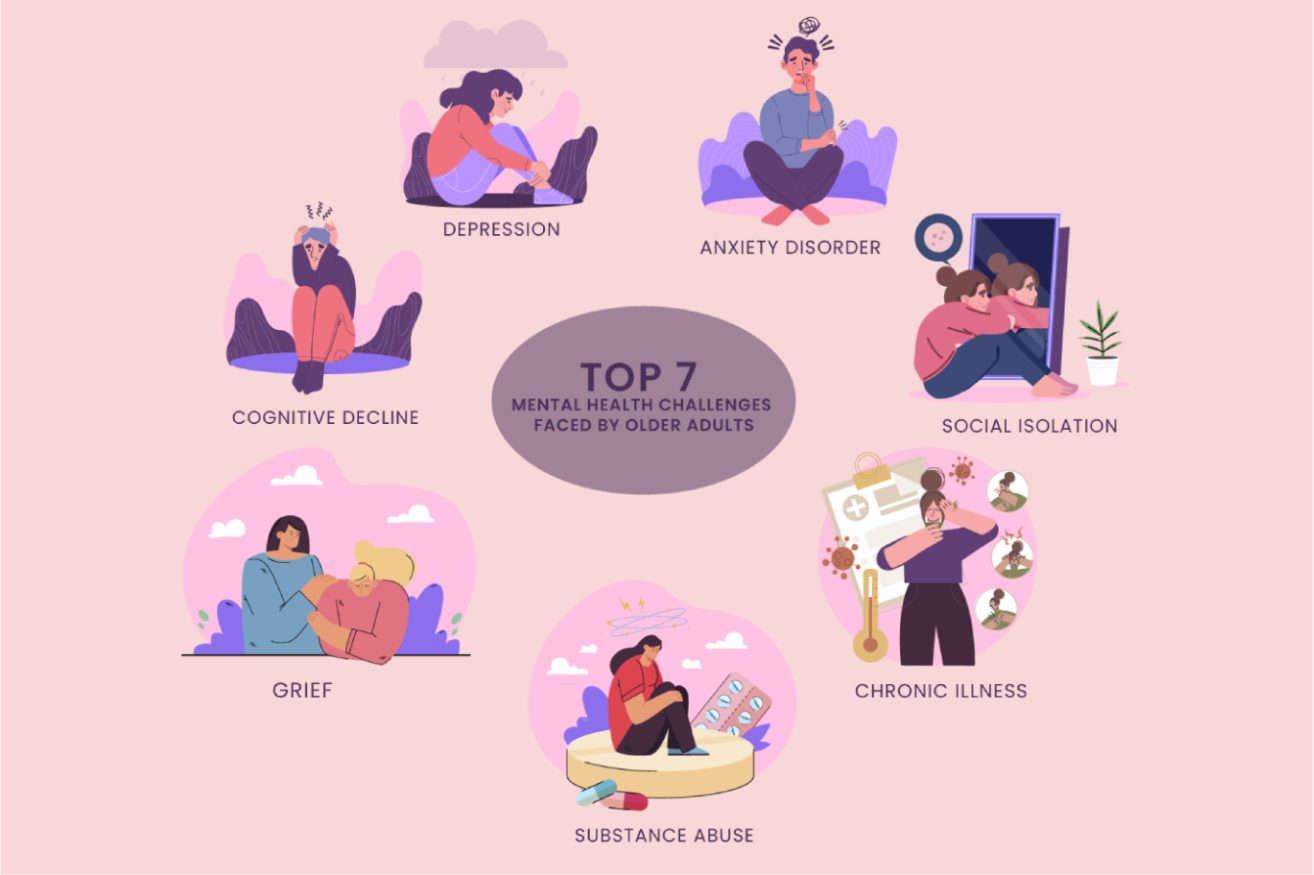
Taking care of your mind is just as important as taking care of your body—both are essential for a balanced life.
Importance of Self-Care and Stress Management
Self-care plays a vital role in maintaining mental well-being and preventing emotional exhaustion, especially in today’s fast-paced and demanding lifestyle. It involves consciously taking time to care for your physical, emotional, and psychological needs through activities that promote relaxation, balance, and personal satisfaction. Practices such as regular exercise, meditation, mindfulness, engaging in hobbies, maintaining social connections, and spending quality time with loved ones can significantly help in reducing stress levels and improving overall mood. Managing stress effectively requires identifying personal triggers, understanding emotional responses, and adopting structured routines that include time for work, rest, and recovery. Without proper stress management, prolonged pressure can lead to burnout, anxiety, and decreased productivity.
Practicing mindfulness and relaxation techniques such as deep breathing, yoga, and guided meditation helps individuals stay present, reduce anxiety, and enhance emotional awareness. These techniques improve the ability to respond calmly to challenging situations rather than reacting impulsively. Developing healthy coping mechanisms, such as problem-solving, journaling, or seeking support, ensures that individuals can handle life’s challenges in a constructive and balanced manner. Over time, consistent self-care not only improves mental resilience but also contributes to better physical health and a more positive outlook on life.
Seeking Support and Professional Help
Seeking support is an important and often necessary step in managing mental health effectively. While self-care practices can help manage everyday stress, there are times when external support becomes essential. Talking to friends, family members, or trusted individuals can provide emotional relief, reassurance, and a different perspective on personal challenges. Open communication helps individuals feel understood and reduces feelings of isolation, which are common in mental health struggles. Support systems play a crucial role in providing encouragement and helping individuals navigate difficult situations.
In more serious cases, consulting mental health professionals such as psychologists, therapists, or counselors can offer structured guidance, evidence-based treatments, and personalized coping strategies. Professional support helps in identifying underlying issues, managing symptoms effectively, and developing long-term solutions for mental well-being. UnitHealthcare encourages users to break the stigma around mental health and recognize that seeking help is a sign of strength, not weakness. Access to reliable information, early intervention, and professional support can make a significant difference in improving mental health outcomes and overall recovery.
Role of Awareness and Education
Awareness and education are key factors in addressing mental health challenges at both individual and societal levels. By promoting open discussions and providing accurate, reliable information, individuals can better understand mental health conditions, their causes, symptoms, and available treatment options. Increased awareness helps reduce stigma, encourages empathy, and creates an environment where people feel safe to talk about their struggles without fear of judgment or discrimination. Education also empowers individuals to recognize early warning signs and take timely action before conditions worsen.
Through informative blogs, newsletters, and educational resources, UnitHealthcare aims to create a platform that spreads awareness, encourages conversations, and supports mental health literacy. By equipping individuals with the right knowledge and tools, the platform helps users make informed decisions about their well-being and promotes a proactive approach to mental health care. A well-informed society is better prepared to support those in need and foster a more compassionate and understanding community.
Conclusion
Mental health is a fundamental aspect of overall well-being that requires equal attention and care as physical health. Ignoring mental health concerns can lead to long-term consequences that affect various aspects of life, including relationships, work performance, and personal happiness. By prioritizing mental wellness, practicing consistent self-care, maintaining healthy routines, and seeking support when necessary, individuals can build resilience and lead more balanced and fulfilling lives.
UnitHealthcare is committed to promoting mental health awareness and providing accessible, reliable resources to support individuals in their journey toward emotional and psychological well-being. By fostering awareness, encouraging proactive care, and making information easily available, the platform aims to empower users to take control of their mental health and contribute to a healthier, more supportive, and informed society.

Leave a Reply