

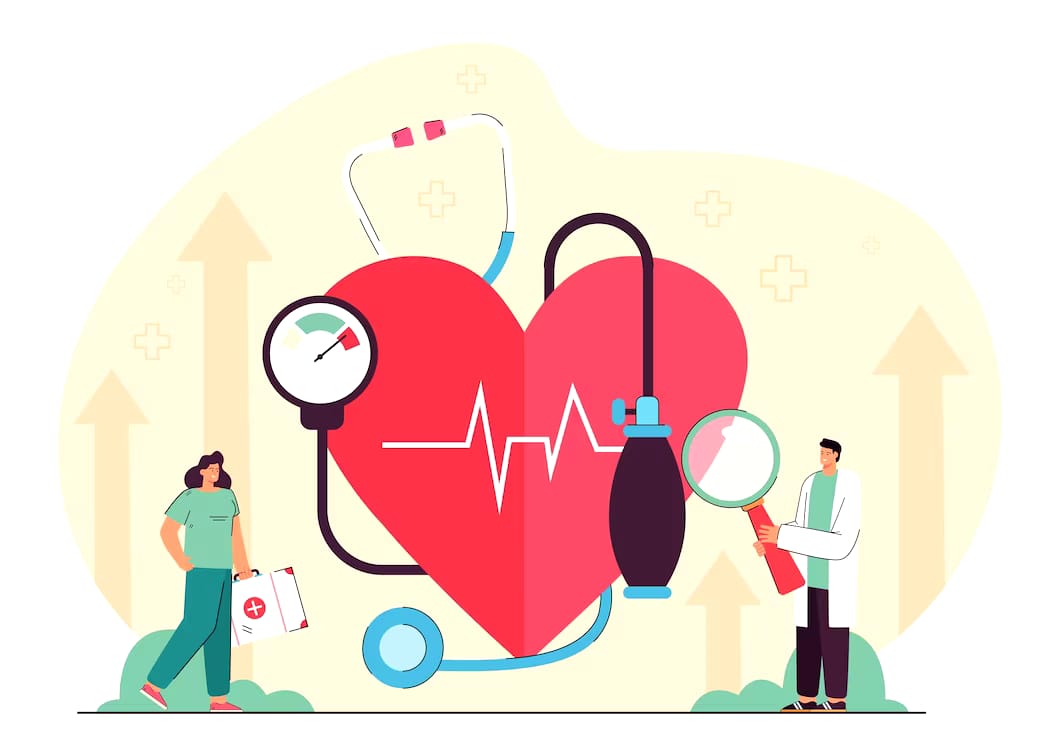
Heart Health: Protecting Your Most Vital Organ
The heart is one of the most essential organs in the human body, responsible for pumping blood, delivering oxygen, and ensuring that every system functions efficiently. Despite its critical role, heart health is often neglected until serious issues arise. Modern lifestyles characterized by poor diet, lack of physical activity, high stress levels, and irregular routines have significantly increased the risk of cardiovascular diseases across all age groups. Conditions such as high blood pressure, heart attacks, and strokes are becoming more common, even among younger individuals, making it essential to prioritize heart health as part of everyday living. UnitHealthcare emphasizes the importance of early awareness, preventive care, and consistent lifestyle choices to maintain a healthy heart and reduce long-term health risks.
Taking care of the heart is not limited to medical treatment but involves a holistic approach that includes nutrition, physical activity, emotional well-being, and regular health monitoring. Small, consistent changes in daily habits can have a profound impact on cardiovascular health, helping individuals live longer, healthier, and more active lives while reducing the likelihood of life-threatening conditions.
Understanding Heart Health
Heart health refers to the proper functioning of the cardiovascular system, which includes the heart and blood vessels that circulate blood throughout the body. A healthy heart ensures efficient blood flow, stable blood pressure, and adequate oxygen supply to organs and tissues. However, when the heart or blood vessels are affected by blockages, inflammation, or weakness, it can lead to serious complications such as coronary artery disease, arrhythmias, or heart failure. These conditions often develop gradually over time due to unhealthy lifestyle choices, genetic factors, or underlying medical issues.
Understanding how the heart functions and what factors influence its health is crucial for prevention. Awareness of key indicators such as cholesterol levels, blood pressure, and heart rate allows individuals to monitor their cardiovascular health and take timely action to prevent complications.
Risk Factors and Warning Signs
Several risk factors contribute to heart-related problems, including unhealthy diet, lack of exercise, smoking, excessive alcohol consumption, obesity, and chronic stress. Additionally, medical conditions such as diabetes, hypertension, and high cholesterol significantly increase the risk of cardiovascular diseases. While some risk factors like genetics cannot be controlled, many others can be managed through lifestyle modifications and preventive care.
Recognizing early warning signs is equally important in preventing serious outcomes. Symptoms such as chest pain, shortness of breath, fatigue, dizziness, and irregular heartbeat should not be ignored, as they may indicate underlying heart conditions. Early detection and timely medical consultation can help prevent complications and improve treatment outcomes.
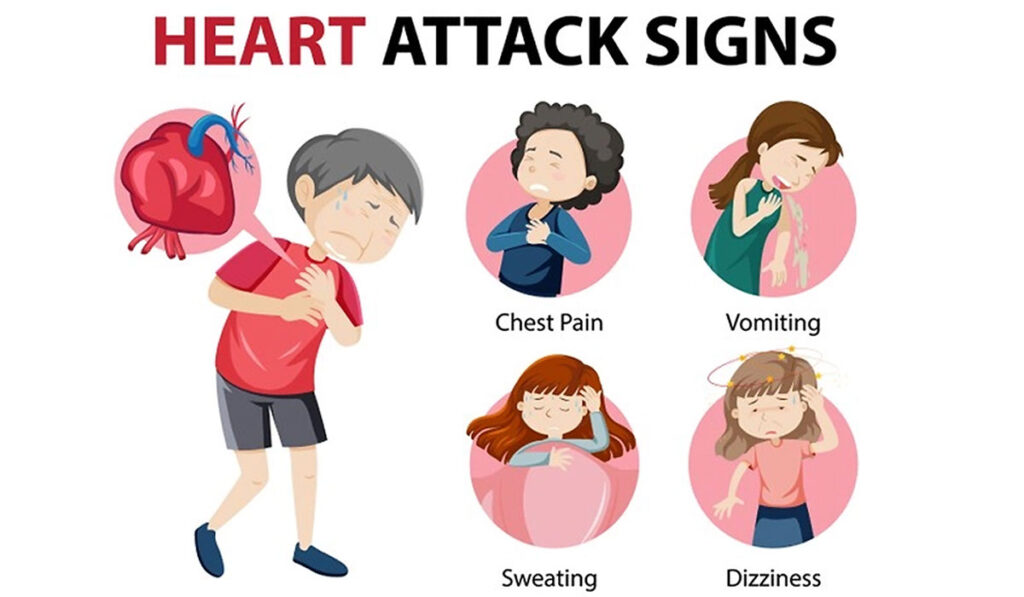
A healthy heart is the foundation of a healthy life—protect it with every choice you make.
Importance of a Heart-Healthy Lifestyle
Maintaining a heart-healthy lifestyle is one of the most effective ways to prevent cardiovascular diseases and improve overall well-being. This includes adopting a balanced diet rich in fruits, vegetables, whole grains, lean proteins, and healthy fats while reducing the intake of processed foods, saturated fats, and excessive salt. Regular physical activity, such as walking, jogging, cycling, or engaging in sports, helps strengthen the heart muscle, improve blood circulation, and maintain a healthy weight.
In addition to physical health, managing stress and maintaining emotional balance are equally important for heart health. Chronic stress can lead to increased blood pressure and unhealthy coping habits, which negatively impact the heart. Practices such as meditation, relaxation techniques, and maintaining a positive lifestyle can significantly reduce stress levels and support cardiovascular health.
Regular Checkups and Monitoring
Regular health checkups play a crucial role in maintaining heart health by enabling early detection of potential problems. Routine tests such as blood pressure monitoring, cholesterol levels, blood sugar tests, and cardiac screenings help identify risk factors before they develop into serious conditions. Preventive screenings are especially important for individuals with a family history of heart disease or existing health conditions.
UnitHealthcare encourages individuals to prioritize regular medical checkups and stay informed about their health status. Early diagnosis combined with timely intervention can significantly reduce the risk of complications and improve long-term outcomes.
Role of Awareness and Prevention
Awareness is a powerful tool in preventing heart-related diseases. Educating individuals about healthy habits, risk factors, and early warning signs enables them to take proactive steps toward maintaining cardiovascular health. Prevention is always more effective than treatment, and adopting a preventive approach can reduce both health risks and medical expenses in the long run.
Through informative blogs, educational content, and accessible resources, UnitHealthcare aims to spread awareness and encourage individuals to take responsibility for their heart health. By promoting knowledge and preventive practices, the platform supports users in making informed decisions that lead to healthier lives.
Conclusion
Heart health is a critical aspect of overall well-being that requires continuous attention and care. By adopting a healthy lifestyle, staying physically active, managing stress, and undergoing regular health checkups, individuals can significantly reduce the risk of cardiovascular diseases and improve their quality of life.
UnitHealthcare is dedicated to empowering individuals with reliable information, preventive strategies, and accessible healthcare solutions. By encouraging awareness and proactive care, the platform helps users protect their heart and build a foundation for a healthier and more fulfilling future.

Leave a Reply